
Table of Contents
- Benefits of Choosing Easy-to-Maintain Indoor Plants
- Top Indoor Plants for Home That Are Easy to Care For
- Tips for Caring for Indoor Plants at Home
- Frequently Asked Questions (FAQ)
- Are indoor plants suitable for small apartments?
- How often should I water my indoor plants?
- Do indoor plants require special fertilizers?
- Can I keep indoor plants in low-light areas?
- How do I prevent pests on my indoor plants?
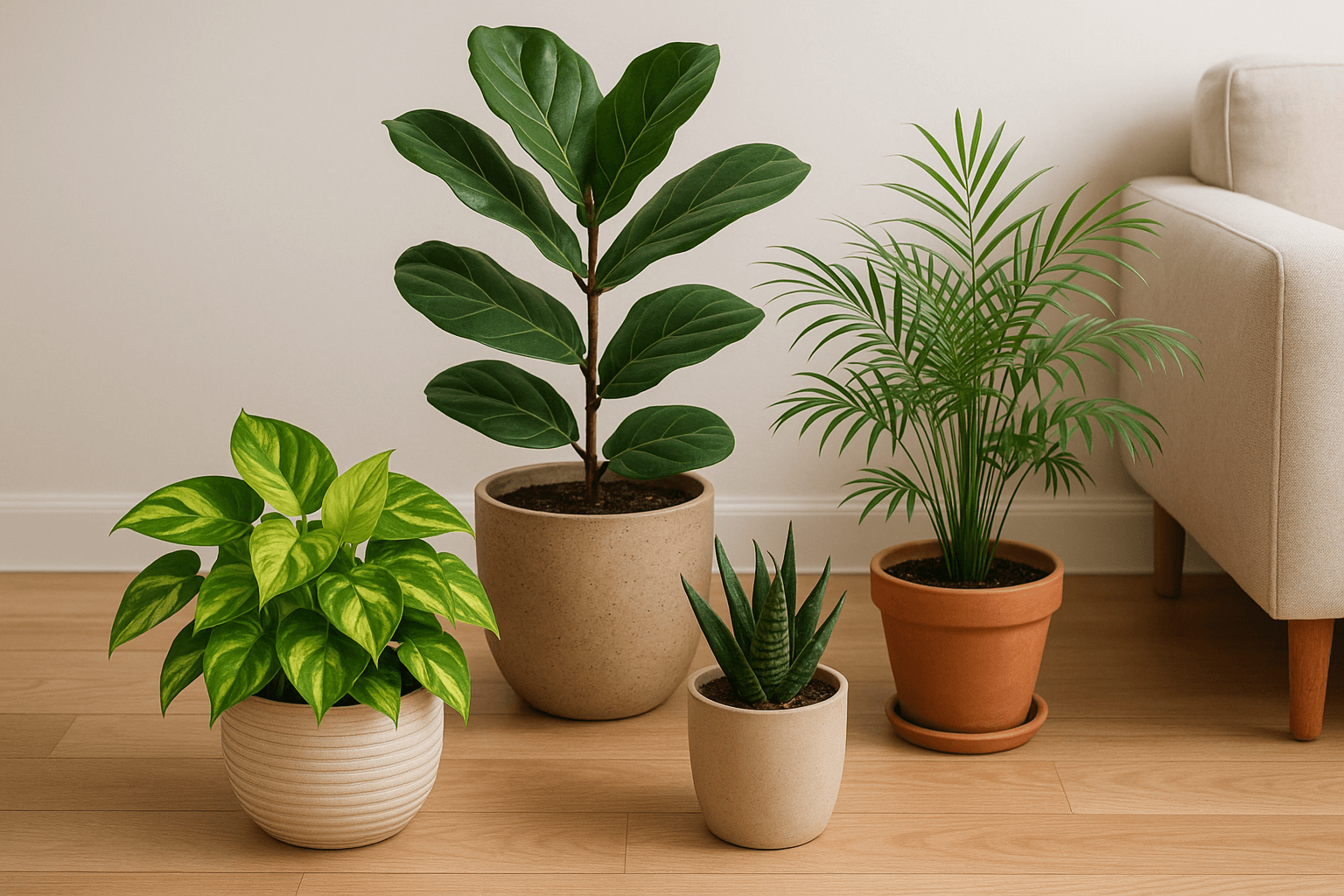
Creating a lush and inviting indoor environment is achievable with the right selection of indoor plants for home. These greenery options not only enhance aesthetic appeal but also contribute to improved air quality and overall well-being. For those seeking low-maintenance solutions, there are numerous indoor plants that require minimal care while providing maximum visual impact.
Benefits of Choosing Easy-to-Maintain Indoor Plants
Opting for easy-to-care-for indoor plants offers several advantages:
- Reduced time and effort in plant care routines
- Increased likelihood of healthy, thriving plants
- Enhanced indoor ambiance with minimal upkeep
- Improved air purification without complex maintenance
Top Indoor Plants for Home That Are Easy to Care For
1. Snake Plant (Sansevieria trifasciata)
Known for its striking upright leaves, the snake plant is virtually indestructible. It tolerates low light conditions and infrequent watering, making it ideal for busy households or beginners.
2. ZZ Plant (Zamioculcas zamiifolia)
With glossy, dark green leaves, the ZZ plant thrives in low to bright indirect light. Its drought tolerance means it only needs watering when the soil is completely dry.
3. Pothos (Epipremnum aureum)
This versatile vine can grow in various lighting conditions and requires minimal watering. Its trailing habit makes it perfect for shelves or hanging baskets.
4. Peace Lily (Spathiphyllum spp.)
Apart from its beautiful white blooms, the peace lily is tolerant of low light and prefers consistently moist soil. It also helps purify indoor air.
5. Spider Plant (Chlorophytum comosum)
Easy to propagate and maintain, the spider plant adapts well to different environments and requires only occasional watering.
Tips for Caring for Indoor Plants at Home
- Place plants in appropriate lighting conditions based on their needs.
- Water only when the topsoil feels dry.
- Use well-draining soil to prevent overwatering.
- Regularly dust leaves to maximize photosynthesis.
- Fertilize sparingly during active growth periods.
Frequently Asked Questions (FAQ)
Are indoor plants suitable for small apartments?
Yes, many indoor plants are perfect for small spaces due to their compact size and adaptability. Plants like pothos and snake plants are excellent choices.
How often should I water my indoor plants?
A: The watering frequency depends on the specific plant type, but generally, most indoor plants prefer watering once every one to two weeks. Always check soil moisture before watering.
Do indoor plants require special fertilizers?
Most easy-care indoor plants benefit from a balanced, diluted fertilizer once a month during their active growing season. Over-fertilizing should be avoided.
Can I keep indoor plants in low-light areas?
Several of the recommended plants, such as snake plants and peace lilies, tolerate low-light conditions well, making them suitable for shaded spots indoors.
How do I prevent pests on my indoor plants?
Regular inspection of leaves and stems helps identify pests early. Maintaining healthy plant conditions and cleaning leaves can prevent infestations.
Incorporating easy-to-maintain indoor plants into your home environment not only elevates your interior decor but also promotes a healthier living space with minimal effort. Select the right varieties suited to your lifestyle and enjoy the benefits of greenery year-round.


Leave a Reply