
Table of Contents
Fresh flowers are a timeless symbol of beauty and elegance, often used to brighten up living spaces, convey heartfelt emotions, or enhance special occasions. However, understanding the lifespan of these delicate blooms and knowing how to prolong their freshness can significantly enhance their visual appeal and emotional impact.
The Typical Lifespan of Fresh Flowers
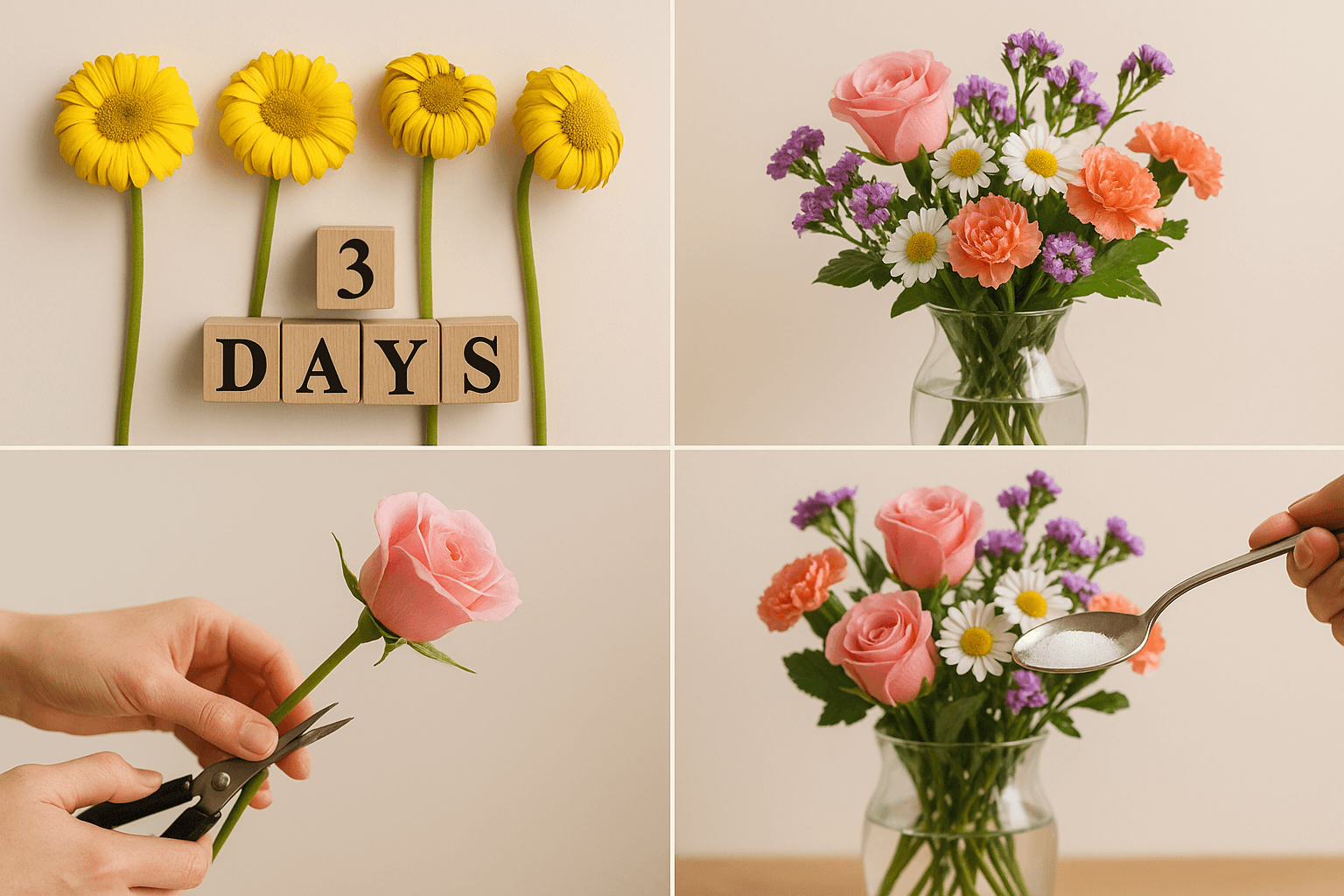
The longevity of fresh flowers varies depending on several factors, including the type of flower, environmental conditions, and care practices. Generally, most cut flowers last between 3 to 7 days. For instance:
- Carnations and chrysanthemums can last up to two weeks with proper care.
- Lilies typically remain fresh for about 5 to 7 days.
- Roses usually stay vibrant for around 4 to 7 days.
- Tulips tend to last approximately 3 to 5 days.
It is important to note that some flowers are naturally more resilient than others, and their lifespan can be extended with appropriate handling and maintenance.
Tips for Extending the Life of Fresh Flowers
To maximize the lifespan of your floral arrangements, consider the following best practices:
- Trim the Stems Properly: Cut about one inch from the bottom of each stem at a 45-degree angle using sharp scissors or a knife. This increases water absorption.
- Use Clean Vases and Fresh Water: Ensure your vase is thoroughly cleaned before use. Fill it with lukewarm water, which is more easily absorbed by the stems.
- Add Flower Food: Incorporate commercial flower preservative into the water. These solutions contain nutrients and antibacterial agents that prolong freshness.
- Change Water Regularly: Replace the water every two days to prevent bacterial growth that can clog stems and shorten flower life.
- Keep Flowers in a Cool Environment: Avoid placing flowers in direct sunlight, near heating vents, or in drafty areas. Cooler temperatures help preserve their vitality.
- Remove Wilting Blooms: Regularly remove any dead or wilting flowers to prevent decay from spreading to healthy blooms.
Environmental Factors Affecting Flower Longevity
Several external conditions influence how long fresh flowers remain appealing:
- Temperature: Higher temperatures accelerate wilting; cooler environments are preferable.
- Light: Indirect sunlight helps maintain freshness; direct sunlight can cause dehydration.
- Humidity: Moderate humidity levels help keep flowers hydrated without promoting mold growth.
- Air Circulation: Good airflow prevents mold but avoid drafts that can dry out blooms prematurely.
Frequently Asked Questions (FAQs)
How can I make my cut flowers last longer?
Regularly change the water, trim stems every few days, keep flowers away from direct sunlight and heat sources, and add flower preservative to the water.
What is the best way to cut flower stems?
Use sharp scissors or a knife to cut stems at a 45-degree angle. This increases surface area for water absorption and prevents stems from sitting flat on the bottom of the vase.
Can I extend the life of flowers by refrigerating them?
Yes, placing flowers in a cool environment such as a refrigerator overnight can help prolong their freshness. However, avoid freezing them or exposing them to very low temperatures for extended periods.
Why do some flowers wilt faster than others?
Different species have varying cellular structures and moisture requirements. Additionally, handling during transportation and initial care impacts their longevity.
Is it necessary to use flower food?
While not mandatory, flower food provides essential nutrients and antibacterial agents that significantly extend the lifespan of cut flowers.
Maintaining fresh flowers requires attention and care but offers rewarding results in enhancing your environment’s aesthetic appeal. By following these guidelines, you can enjoy their beauty for as long as possible.


Leave a Reply